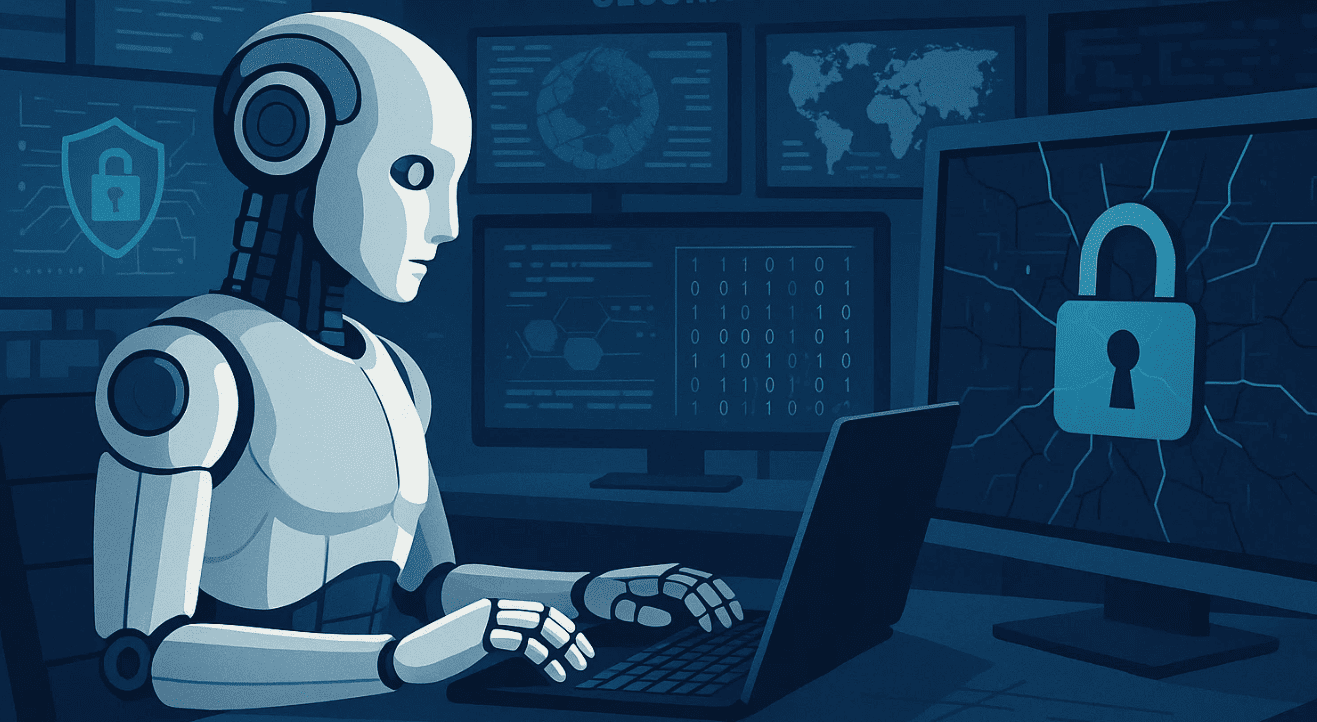
Threat Hunting Service
Cyber threats are becoming more sophisticated, often bypassing traditional detection systems. PRC Infotech’s Threat Hunting services offer a proactive defense strategy to uncover advanced threats, persistent attackers, and stealthy intrusions before they cause real damage. Unlike automated alerts, threat hunting involves deep analysis, expert-led investigation, and real-time pattern recognition.
Our cybersecurity analysts use behavioral analytics, threat intelligence, and structured methodologies like the MITRE ATT&CK framework to identify indicators of compromise (IOCs), lateral movement, privilege escalation, and suspicious patterns across your environment. We hunt across logs, endpoints, network traffic, cloud infrastructure, and user activity to find signs of hidden attackers.
Whether it's uncovering zero-day exploits, insider threats, or undetected malware, our threat hunting process helps improve your organization’s detection and response capabilities. We don’t just stop at identification — we provide actionable insights and mitigation strategies to reduce your risk exposure.
PRC Infotech’s Threat Hunting services are ideal for organizations that want to stay ahead of modern attackers, secure sensitive data, and build a resilient security posture. With 24/7 threat visibility and expert-driven insights, we empower your security teams to act fast, stay informed, and protect what matters most.
-
Proactively detect hidden threats missed by traditional security tools.
-
Use MITRE ATT&CK, threat intelligence, and behavior analytics to find IOCs.
-
Investigate lateral movements, privilege escalations, and stealthy attacks.
-
Provide actionable reports and recommendations for risk mitigation.
What is threat hunting in cybersecurity?
Threat hunting is a proactive approach to detect hidden cyber threats by analyzing user behavior, system logs, and network activity beyond automated alerts.
Why does my organization need threat hunting?
Threat hunting helps detect advanced attacks like APTs, insider threats, and malware that bypass traditional security tools, reducing overall risk exposure.
How is threat hunting different from regular monitoring?
Monitoring relies on known threats and alerts, while threat hunting is hypothesis-driven and uncovers unknown or stealthy attacks manually or through analytics.
What tools and frameworks are used in threat hunting?
We use SIEM (like QRadar, Splunk), EDR, MITRE ATT&CK, threat intelligence, and custom scripts to track indicators of compromise and attacker behavior.