Cloud Security Services
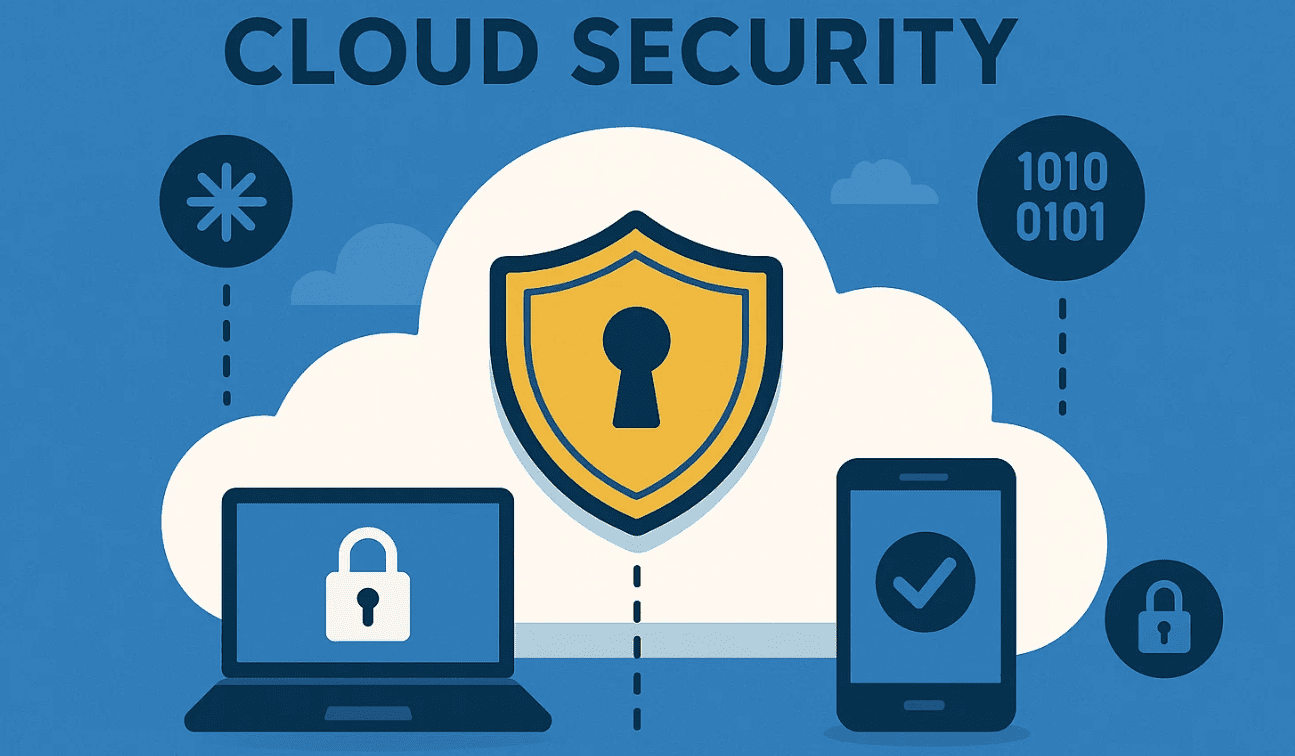
In today’s digital world, cloud computing powers most businesses — but with scale and flexibility comes serious security risks. PRC Infotech offers advanced Cloud Security Services to protect your sensitive data, critical applications, and infrastructure hosted across AWS, Microsoft Azure, and Google Cloud Platform (GCP).
Our approach begins with a deep assessment of your existing cloud environment to identify misconfigurations, access loopholes, compliance gaps, and vulnerabilities. We then implement strong Identity and Access Management (IAM) policies, encryption protocols, firewalls, secure storage, network segmentation, and automated monitoring to ensure continuous protection.
Whether you're running SaaS, IaaS, or hybrid deployments, our team ensures secure provisioning, secure DevOps pipelines, workload protection, and governance policies aligned with your business goals. We integrate powerful tools like SIEM, EDR, and threat intelligence to detect and respond to cloud-based threats in real time.
PRC Infotech also helps you stay compliant with global standards such as ISO 27001, GDPR, HIPAA, and CIS Benchmarks. Our Cloud Security solutions cover everything from cloud architecture reviews and workload security to zero-trust enforcement and incident response planning.
With us, you don’t just get tools — you get a team of certified professionals committed to delivering scalable, resilient, and cost-effective cloud security. Whether you're a startup migrating to the cloud or an enterprise managing multi-cloud infrastructure, PRC Infotech ensures you stay secure, compliant, and future-ready.
-
Secure AWS, Azure & GCP environments with expert cloud configuration and monitoring.
-
Implement IAM, WAF, encryption, and zero-trust policies to prevent unauthorized access.
-
Detect and respond to cloud threats using real-time SIEM, EDR, and threat intelligence tools.
-
Stay compliant with ISO 27001, GDPR, CIS, and cloud-specific security benchmarks.
What are common types of cyber threats?
Common threats include malware, phishing attacks, ransomware, denial-of-service (DoS) attacks, and insider threats.
Why is cybersecurity important?
It safeguards sensitive information, prevents financial loss, and ensures the integrity and availability of systems and services in both personal and organizational contexts.
How can I protect my personal data online?
Use strong passwords, enable two-factor authentication, keep your software updated, and avoid clicking on suspicious links or emails.
What qualifications and certifications do your advisors have?
It’s a technique attackers use to trick individuals into revealing confidential information by exploiting human psychology rather than technical hacking.